Posted on

Mastering the Art of Sports Broadcasting: Techniques and Insights

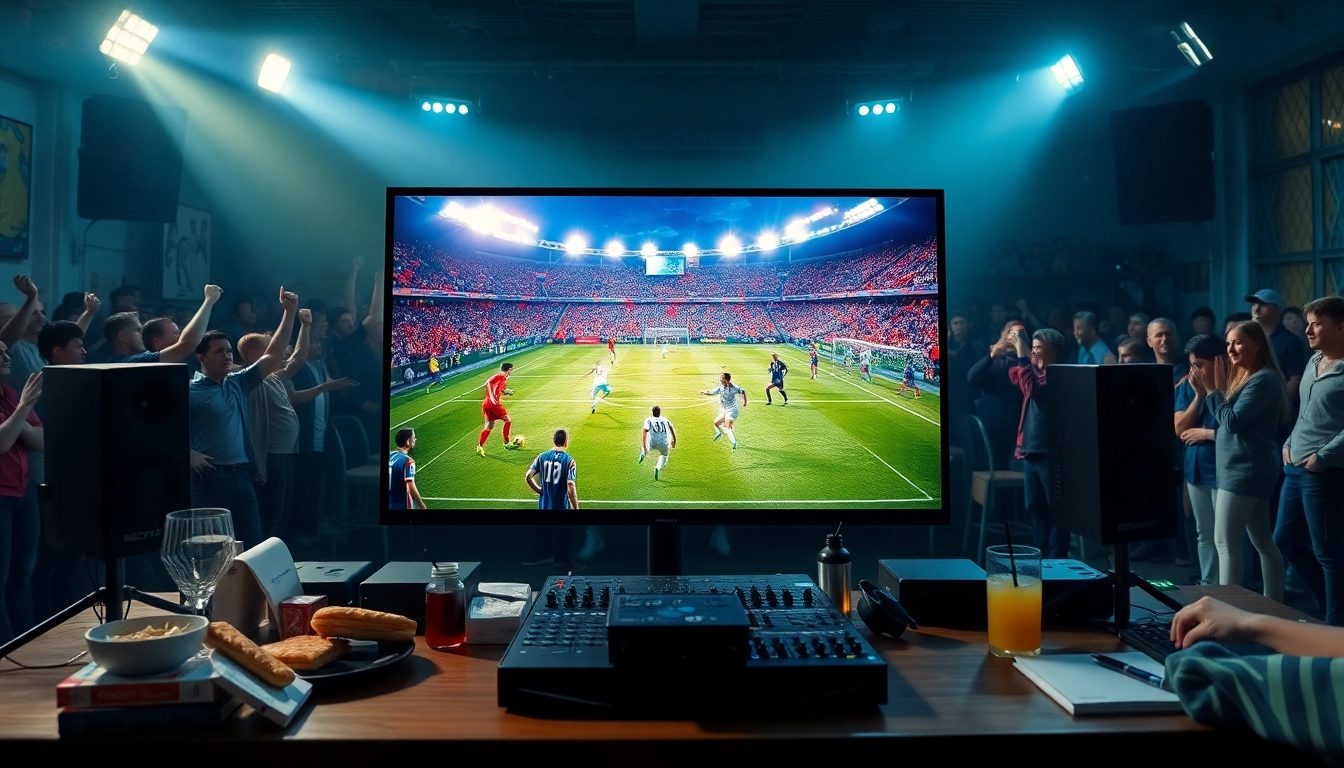
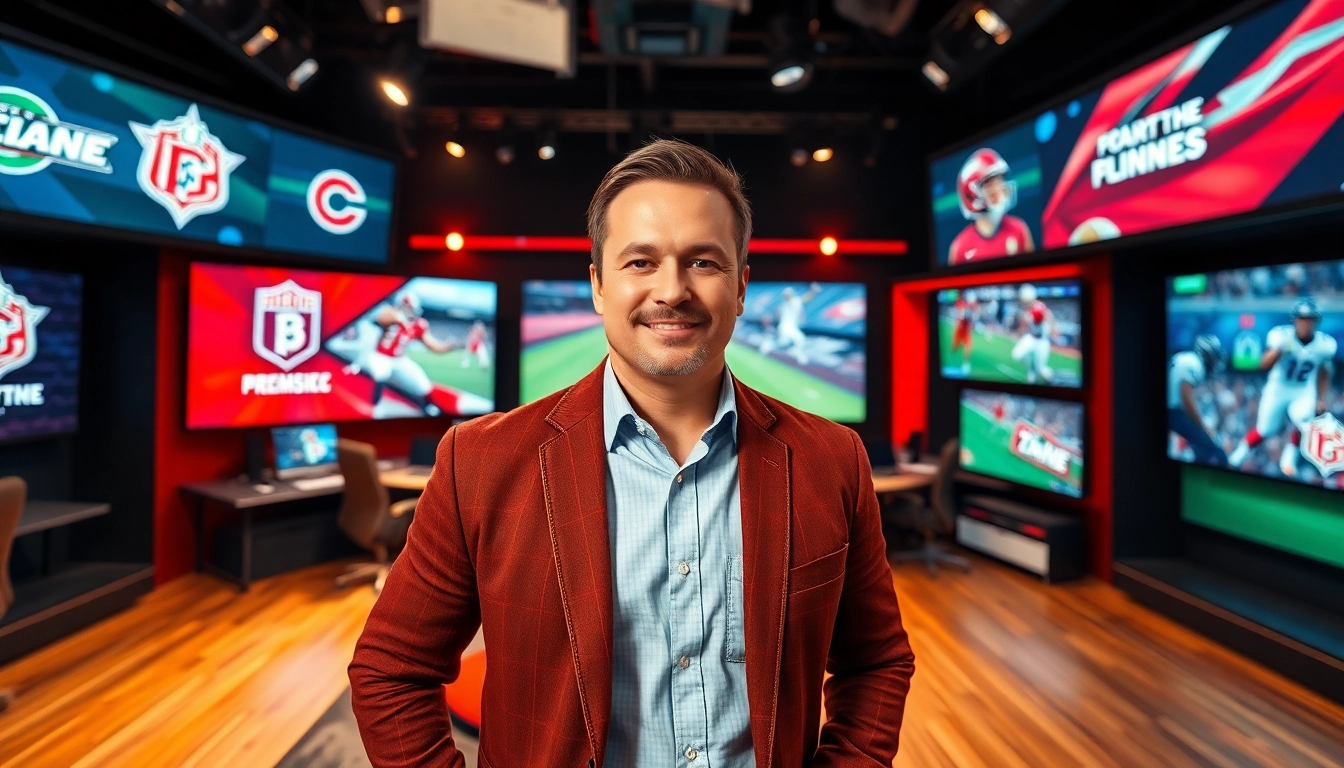
Engaging sports broadcasting setup with dynamic visuals and a confident announcer.

Understanding the Basics of Sports Broadcasting

Sports broadcasting is the art of distributing live or recorded sports content to an audience via various platforms, such as television, radio, and streaming services. This medium connects fans with their favorite teams and sports events, engaging them in a way that enhances the viewer experience. Understanding the intricacies of Sports Broadcasting involves grasping its key roles, types, and evolution over time.

Key Roles in Sports Broadcasting

Within the sports broadcasting landscape, several key roles contribute to ensuring that content is delivered effectively and maintains viewer engagement. These roles include:

  • Producers: They oversee the logistics of the broadcast, including scheduling, content curation, and personnel management.
  • Commentators: Known as play-by-play announcers and color analysts, they provide expert analysis, enhance storytelling, and keep the audience engaged.
  • Cameramen: They capture crucial moments in games from various angles and perspectives to enhance viewer experience.
  • Audio Engineers: Responsible for managing sound quality, they capture the ambiance of the event, ensuring audiences feel the excitement.
  • Technical Directors: They coordinate the technical aspects of the broadcast, including video feeds, graphics, and playback.

Types of Sports Broadcasts

Sports broadcasts can be categorized into several types based on their format and medium:

  • Live Broadcasts: Real-time transmission of sporting events, providing immediate audience engagement.
  • Pre-recorded Shows: Edited footage that highlights key moments of a game or event, often used for analysis and recap.
  • Sports News Programs: Offer updates, analysis, and commentary about ongoing and upcoming sporting events.
  • Webcasts: Streaming events on digital platforms, often allowing for interactive elements such as viewer polls and real-time chats.
  • Podcasts: Audio programs focusing on sports analysis, interviews, and listener engagement through discussions.

The Evolution of Sports Broadcasting

Since its inception, sports broadcasting has undergone monumental changes due to technological advancements. Early forms of sports broadcasts relied heavily on radio broadcasts, where announcers described events without the visual elements we now take for granted. The advent of television revolutionized the industry, allowing millions to view their favorite sports live.

The integration of technology continues to reshape the landscape, with streaming services now offering on-demand access to content and innovations like high-definition broadcasts, 360-degree views, and virtual reality experiences. As media consumption habits evolve, so too does sports broadcasting, adapting to meet the demands of modern audiences.

Essential Equipment for Sports Broadcasting

The effectiveness of a sports broadcast depends significantly on the equipment used. From cameras to audio gear, each piece plays a vital role in delivering compelling content.

Cameras and Audio Equipment

High-quality cameras and audio equipment are essential for a successful broadcast:

  • HD and 4K Cameras: These allow for clear and crisp images, vital for capturing fast-moving sports.
  • Action Cameras: Used for unique angles and close-up shots of athletes, providing a more immersive experience.
  • Microphones: High-fidelity mics capture commentary and sounds from the environment, adding depth to the viewing experience.
  • Mixing Boards: Essential for live broadcasts, aiding in managing audio levels and effects.

Streaming Software and Tools

With the rise of digital streaming, various software and tools facilitate smooth broadcasts:

  • OBS Studio: A popular open-source software for recording and streaming, ideal for live events.
  • Wirecast: Allows the integration of multiple video and audio feeds, perfect for complex broadcasts.
  • Vmix: Known for its extensive features, including instant replay and graphics integration.

Broadcasting Gear Setup

Proper setup of broadcasting gear is critical to ensure a flawless production:

  1. Evaluate the venue for strategic camera placements.
  2. Test audio equipment to eliminate background noise.
  3. Adjust lighting to avoid glare and poor visibility.
  4. Review connectivity options for both audio and video feeds.

Techniques for Effective Sports Commentary

Beyond the technicalities of broadcasting, effective commentary is crucial to enriching the viewer experience. Commentators not only convey the action but also engage the audience through storytelling and analysis.

Building Storylines in Sports Broadcasting

Successful sports broadcasts go beyond mere play-by-play narration; they create narratives that captivate audiences:

  • Establish Context: Introduce key players and their backgrounds, setting the stage for the game.
  • Develop Arcs: Highlight rivalries or personal stories that can unfold during the game.
  • Utilize Statistics: Incorporate relevant data and historical context to enhance the narrative.

Engaging the Audience: Tips and Tricks

To maintain viewer interest, commentators should employ various strategies:

  • Maintain Energy: Use an enthusiastic tone to reflect the excitement of crucial moments.
  • Incorporate Humor: Light jokes or anecdotes can create a friendly atmosphere.
  • Encourage Interaction: Engage with audience comments and questions during broadcasts.

Analyzing Game Dynamics Live

Live analysis is a cornerstone of effective sports commentary, requiring real-time assessment of player movements and game strategies:

  • Identify Patterns: Utilize insights to articulate team dynamics and predict future plays.
  • Focus on Key Moments: Highlight significant plays with in-depth explanations of their implications.
  • Communicate Clearly: Ensure clarity and coherence, especially during fast-paced moments.

Best Practices for Live Sports Broadcasting

The fast-paced nature of live sports demands strict adherence to best practices to ensure optimal broadcasts.

Preparing for Live Coverage

Preparation is essential for smooth live coverage. Here are key practices to follow:

  1. Conduct thorough research on teams and players.
  2. Arrange pre-game interviews to provide insights into strategies.
  3. Create a run-through of the broadcast plan, detailing every segment.

Managing Technical Difficulties

Technical issues can arise unexpectedly, so being prepared is vital:

  • Have Backup Systems: Equip your setup with spare cables, microphones, and cameras.
  • Establish a Troubleshooting Protocol: Train team members to address common technical issues swiftly.
  • Communicate with the Audience: Transparency can help manage viewer expectations during outages.

Interacting with Viewers in Real-Time

Engagement during live broadcasts can enrich viewer experience:

  • Utilize Social Media: Monitor platforms for viewer comments and questions to address on-air.
  • Encourage Viewer Participation: Use polls to involve the audience in discussions.
  • Conduct Live Q&A Sessions: Foster a sense of community by answering fan queries during breaks.

Future Trends in Sports Broadcasting

The future of sports broadcasting is poised for transformation, driven by advancements in technology and shifts in consumer behavior.

Impact of Technology on Sports Broadcasting

Emerging technologies are reshaping the way sports are produced and consumed:

  • Artificial Intelligence: AI algorithms can analyze player movements and game stats in real-time, enhancing commentary.
  • Virtual Reality: Broadcasting in VR gives fans immersive experiences by placing them inside the stadium.
  • Augmented Reality: Integrating AR graphics during broadcasts can enhance viewer interaction and understanding.

Shifts in Audience Consumption Habits

As audience preferences evolve, broadcasters must adapt:

  • On-Demand Content: Fans increasingly seek flexibility in viewing times, leading to a rise in streaming platforms.
  • Short-Form Content: Quick highlights and updates cater to audiences’ reduced attention spans.
  • Global Accessibility: Increasing digital access allows for broader audience engagement, transcending geographical limitations.

Preparing for the Future of Sports Broadcasting

To remain competitive, sports broadcasters must stay ahead of trends:

  • Invest in Training: Keeping staff updated on the latest technologies and techniques is crucial.
  • Adapt Content Delivery: Focusing on mobile-first platforms can capture younger audiences.
  • Prioritize Quality: High production values remain paramount in an increasingly crowded market.

Frequently Asked Questions

What is sports broadcasting?

Sports broadcasting is the distribution of live or recorded sports content to audiences through platforms such as television, radio, and streaming services.

What roles are critical in sports broadcasting?

Critical roles include producers, commentators, cameramen, audio engineers, and technical directors, each contributing to a seamless broadcast.

How has technology changed sports broadcasting?

Technological advancements such as HD cameras, streaming services, AI, and VR have transformed how sports are produced and consumed.

What are best practices for live sports broadcasting?

Best practices include thorough preparation, effective management of technical difficulties, and real-time viewer interaction.

What future trends should sports broadcasters be aware of?

Broadcasting is evolving with trends like on-demand content, virtual reality experiences, and shifting audience consumption habits, highlighting the need for adaptability.